Field guides for weather, observed.
Browse the growing WX Logbook library. Each guide starts with what you can observe, names the limits of the observation, and points you back to official sources when safety matters.
All guides
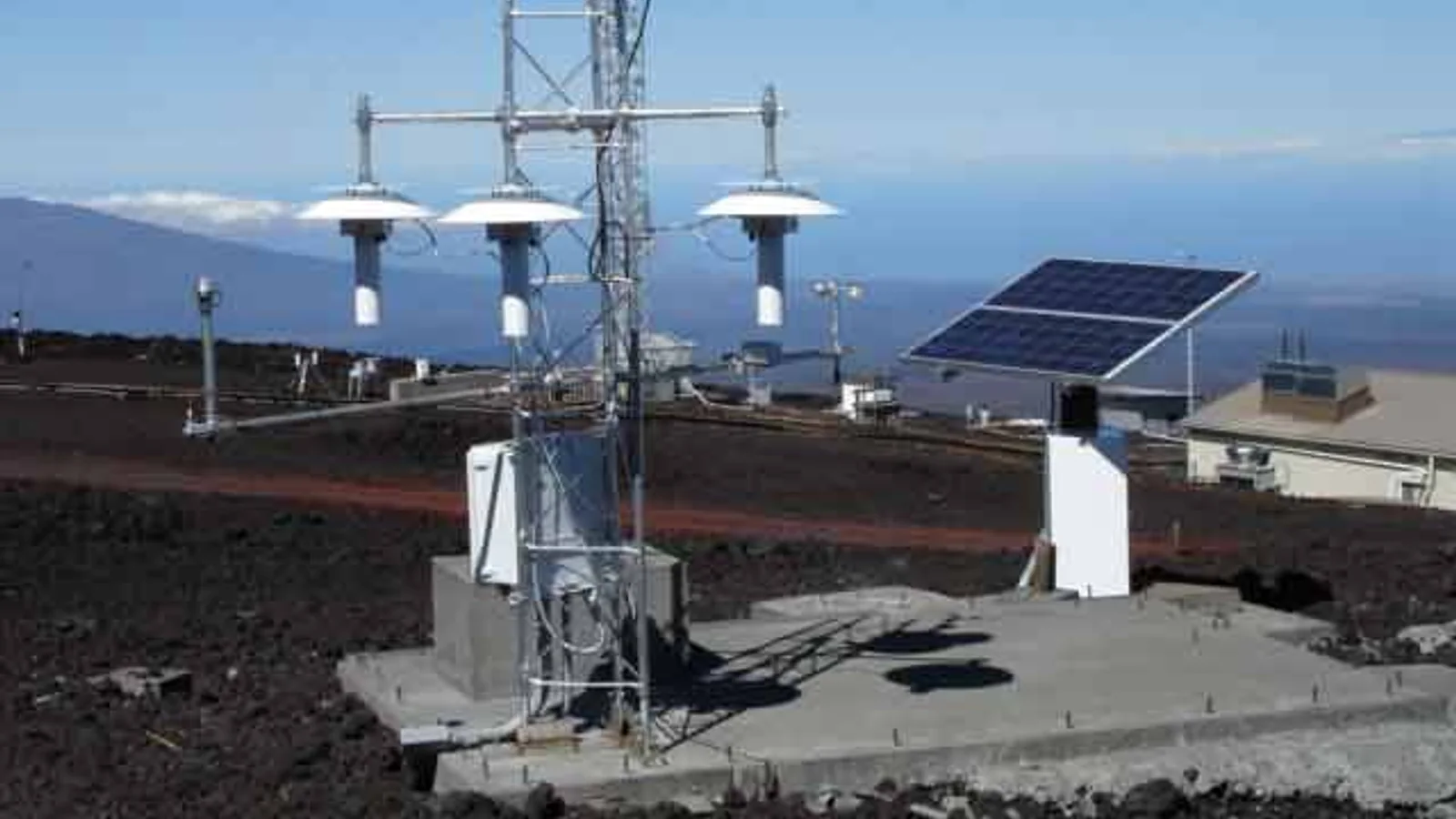
How to Start Keeping a Weather Journal
Start a weather journal with one observation time, one clearly described place, and a few fields you can repeat. A useful first entry does not need expensive instruments or a perfect cloud name. It needs enough
Photo: NOAA · Public domain (U.S. government work)Read the guide →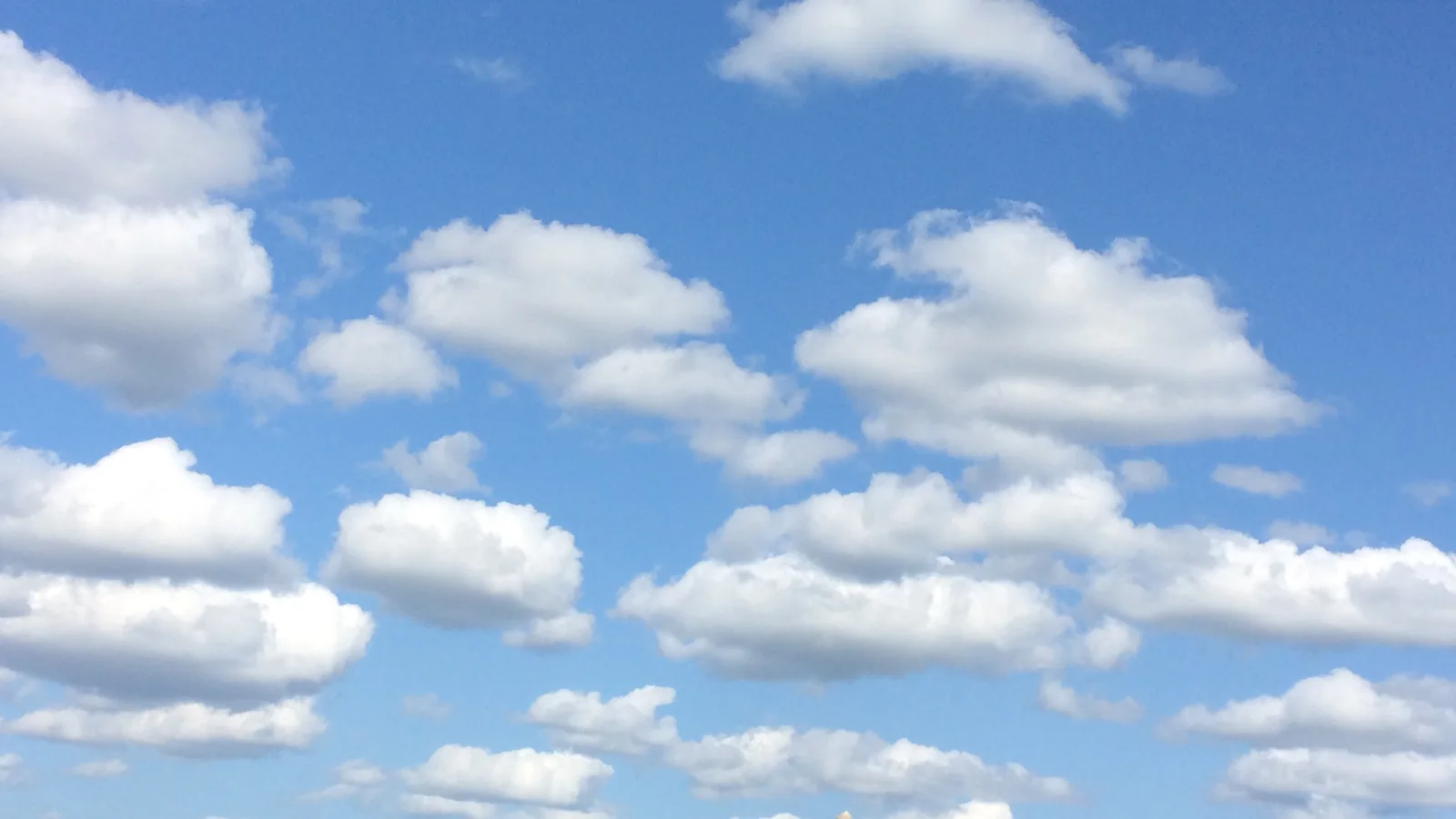
How to Identify the Most Common Cloud Types
You do not need to estimate an exact cloud height or memorize every Latin name to make a useful cloud identification. Start with three visible questions: is the cloud mostly a layer, a collection of separate he
Photo: Cbuske46 · CC BY-SA 4.0Read the guide →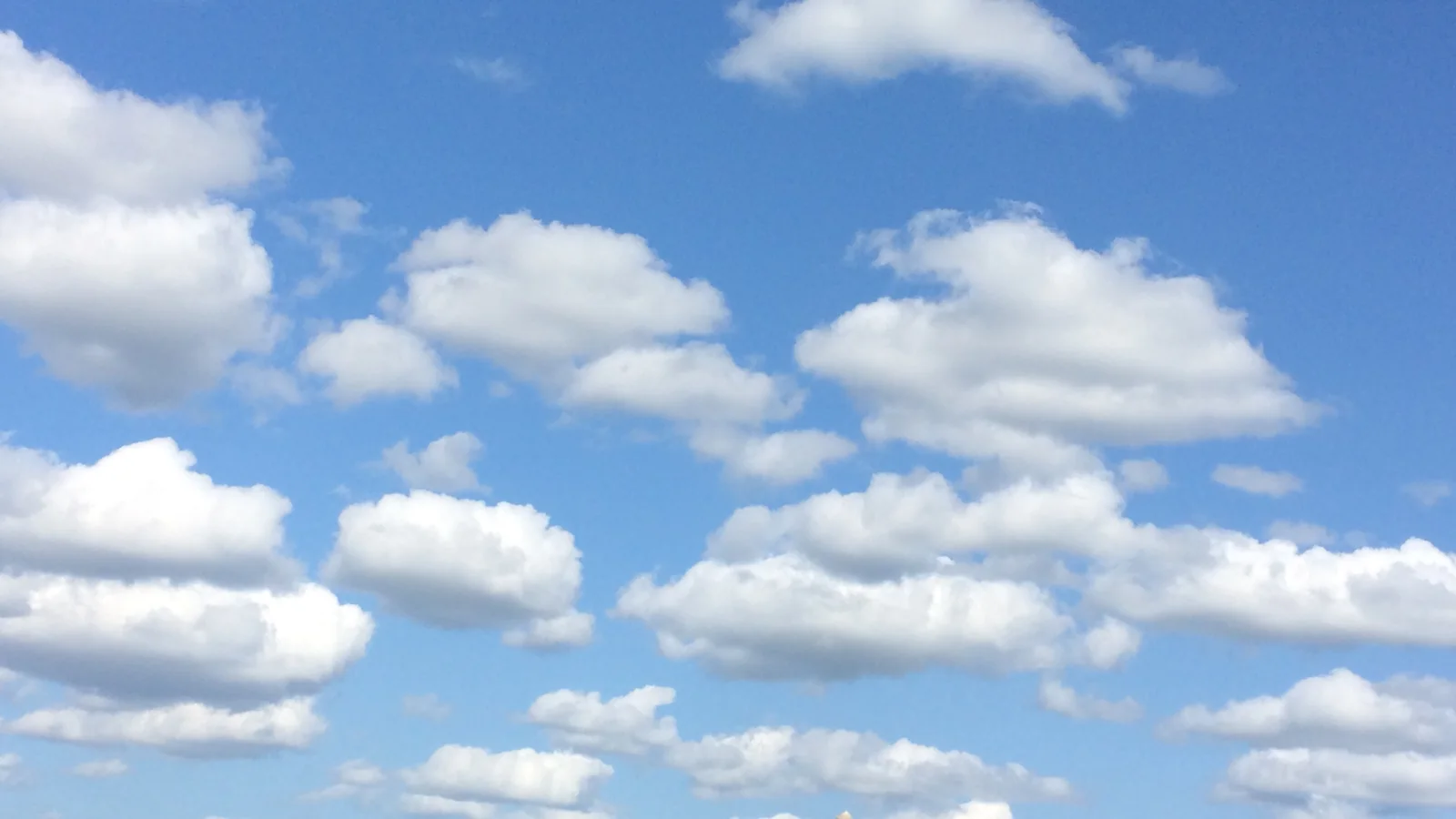
What Thickening Clouds Can and Cannot Tell You
When a thin veil becomes a broad grey layer, or when blue gaps close during an afternoon, “the clouds are thickening” is often a good observation. It describes a visible change in coverage, opacity, texture, or
Photo: Cbuske46 · CC BY-SA 4.0Read the guide →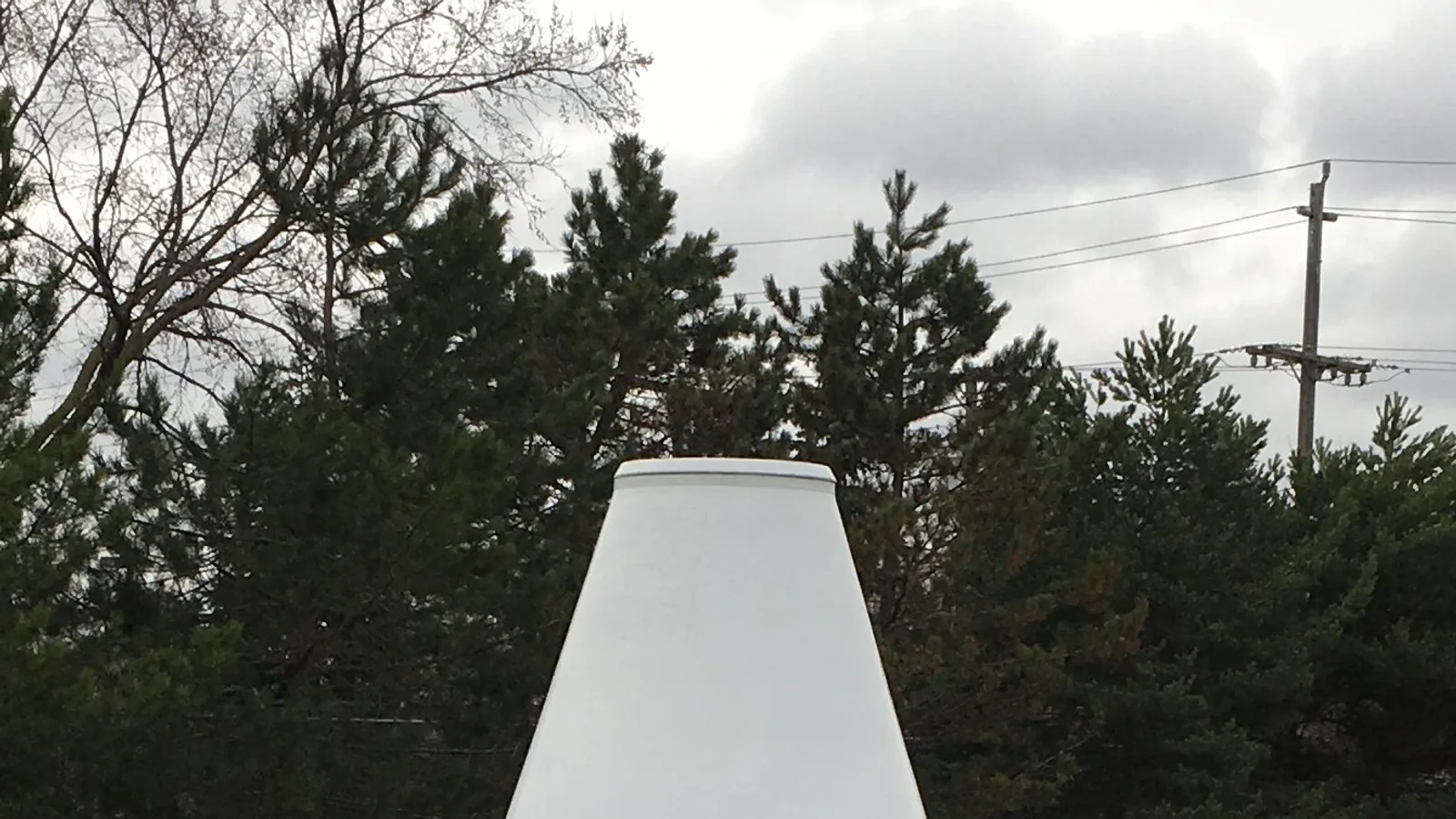
How to Measure Rainfall at Home
Measure rainfall at home by collecting precipitation in a level gauge at a documented site, reading it at a consistent time, and recording both the amount and the observation period. The number is an observatio
Photo: NOAA / National Weather Service · Public domain (U.S. government work)Read the guide →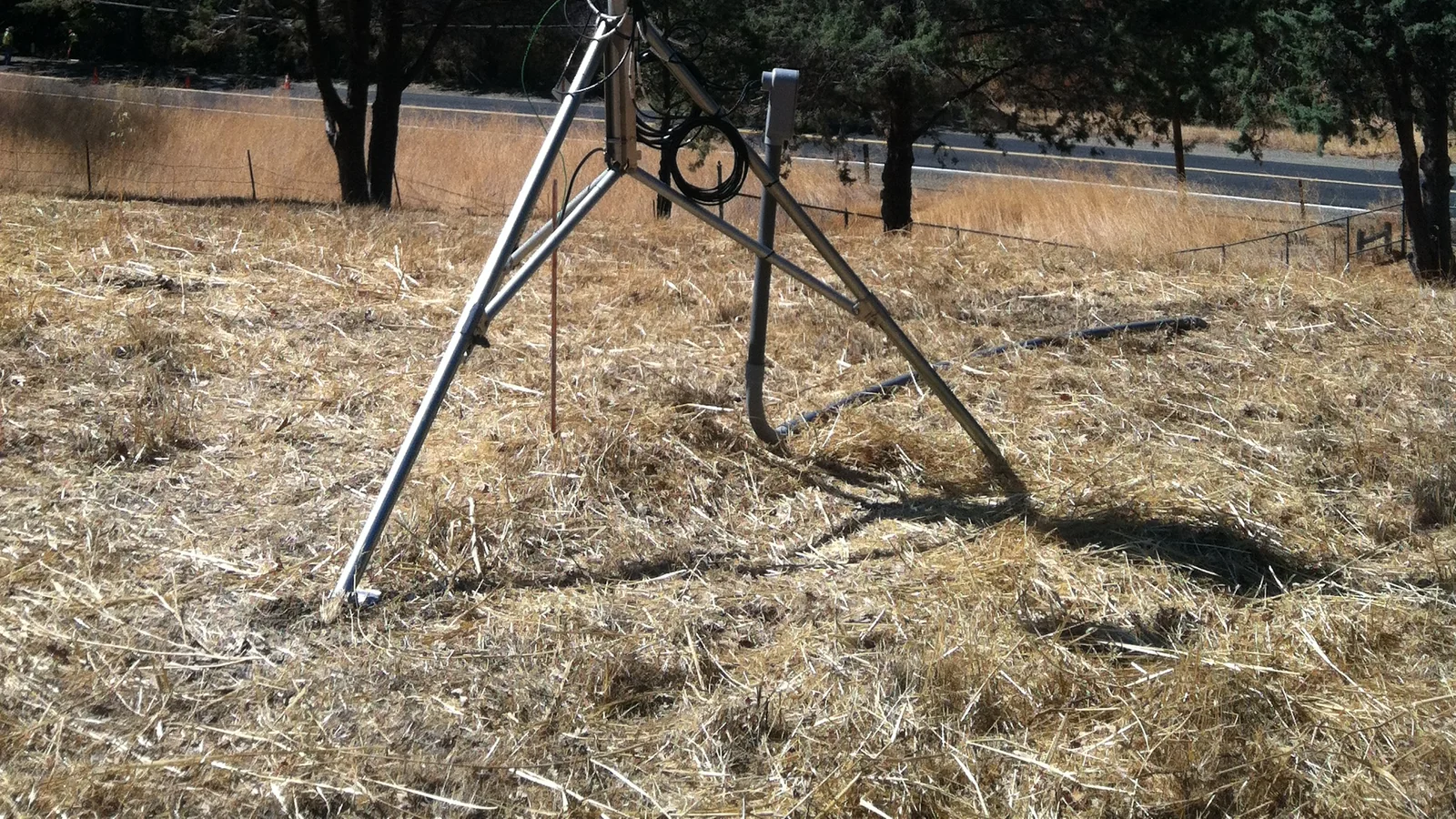
Why Your Backyard Weather Differs from the Forecast
A forecast and a backyard observation can both be reasonable while showing different conditions. They answer different questions. Your notebook describes what one sensor or observer found at one exposed point a
Photo: NOAA Physical Sciences Laboratory · Public domain (U.S. government work)Read the guide →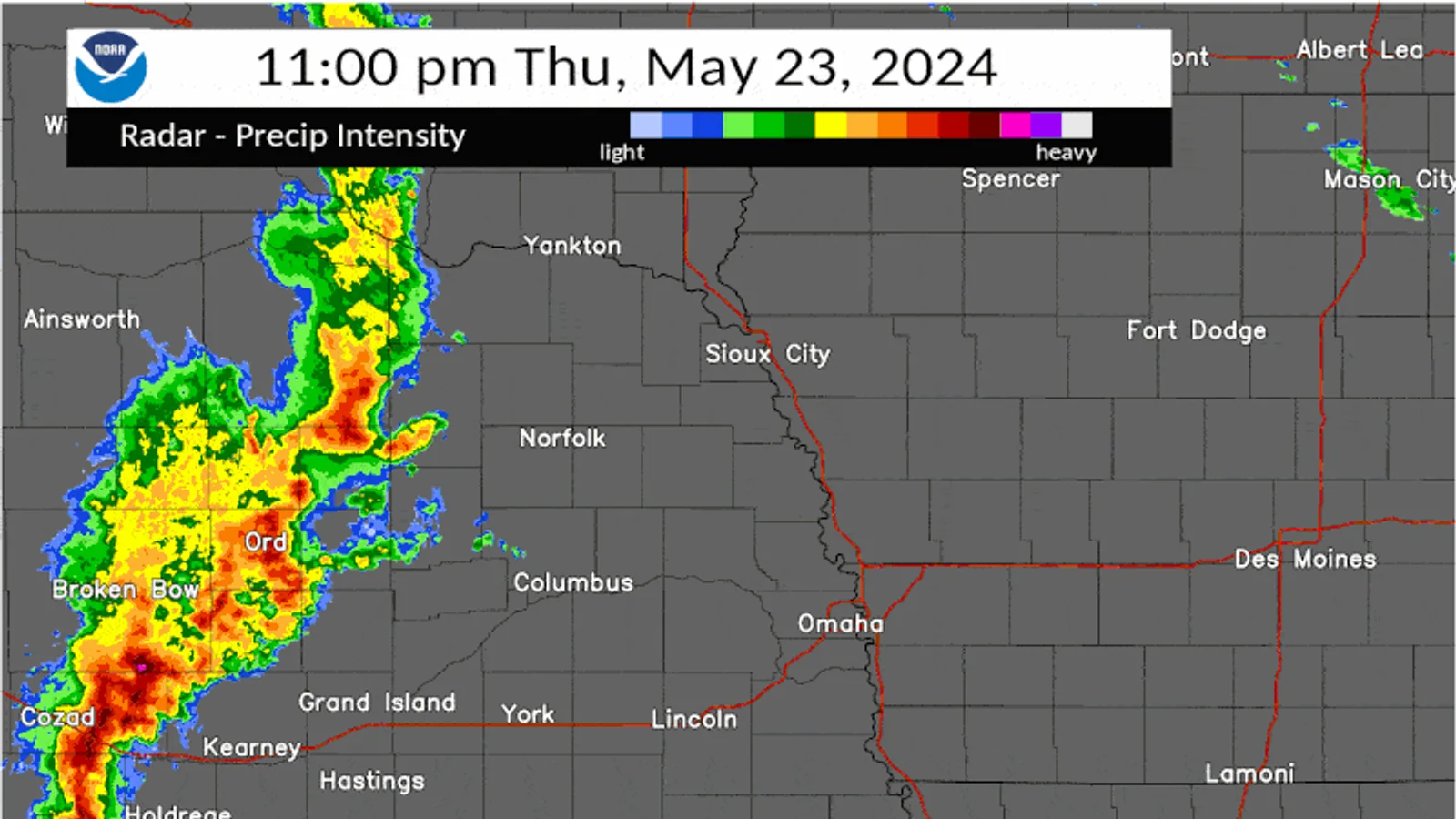
How to Read a Basic Weather Radar
Read a weather-radar image in this order: identify the product, check its timestamp, locate the area, read the scale, then compare several frames. A coloured echo is evidence of returned radar energy, not a dir
Photo: NOAA / National Weather Service · Public domain (U.S. government work)Read the guide →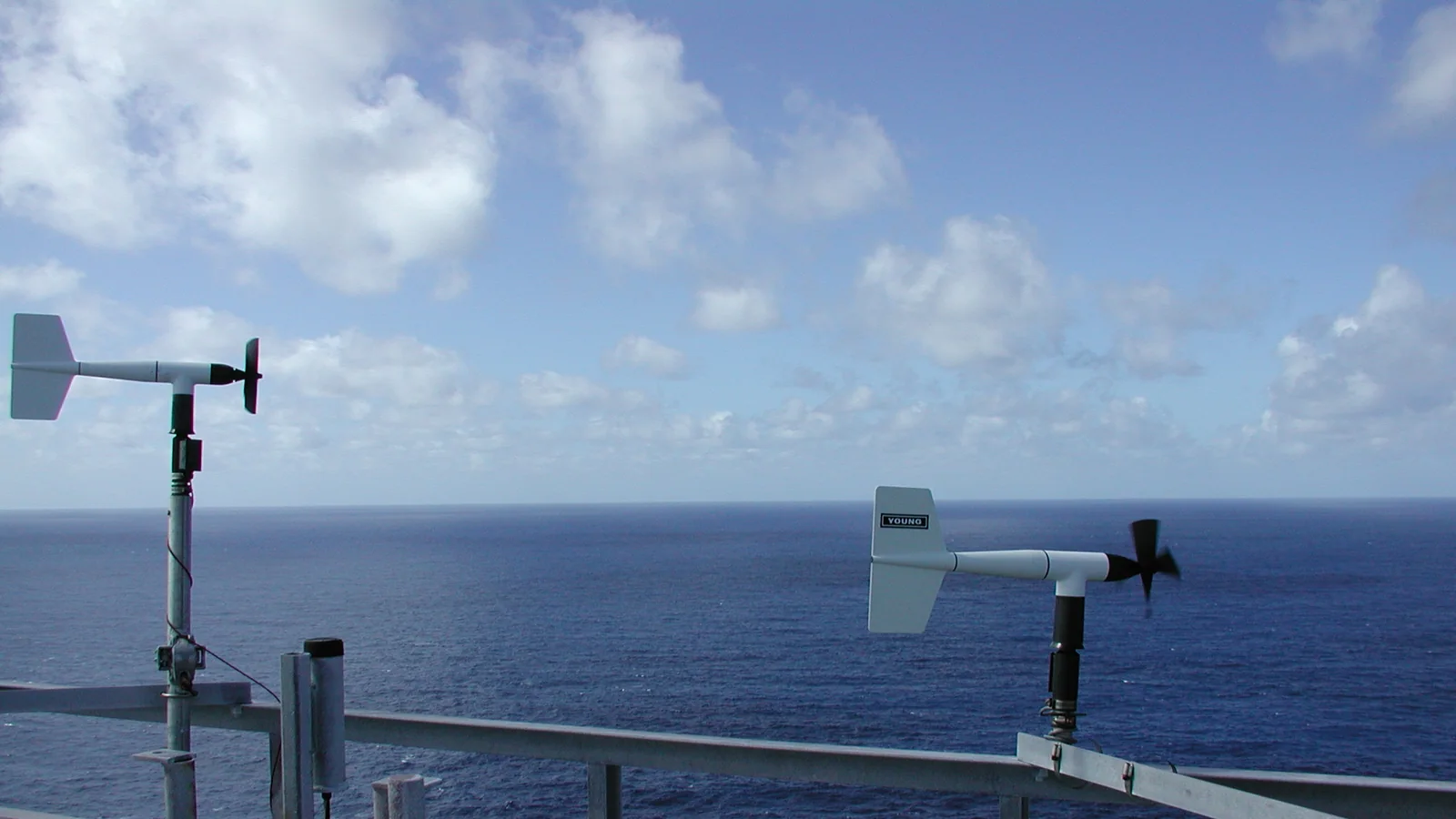
Wind Direction: What Beginners Often Record Incorrectly
Wind direction tells you where the wind comes from, not where it is going. A north wind blows from north to south; a southwesterly wind comes from the southwest and travels toward the northeast. This convention
Photo: NOAA Global Monitoring Laboratory · Public domain (U.S. government work)Read the guide →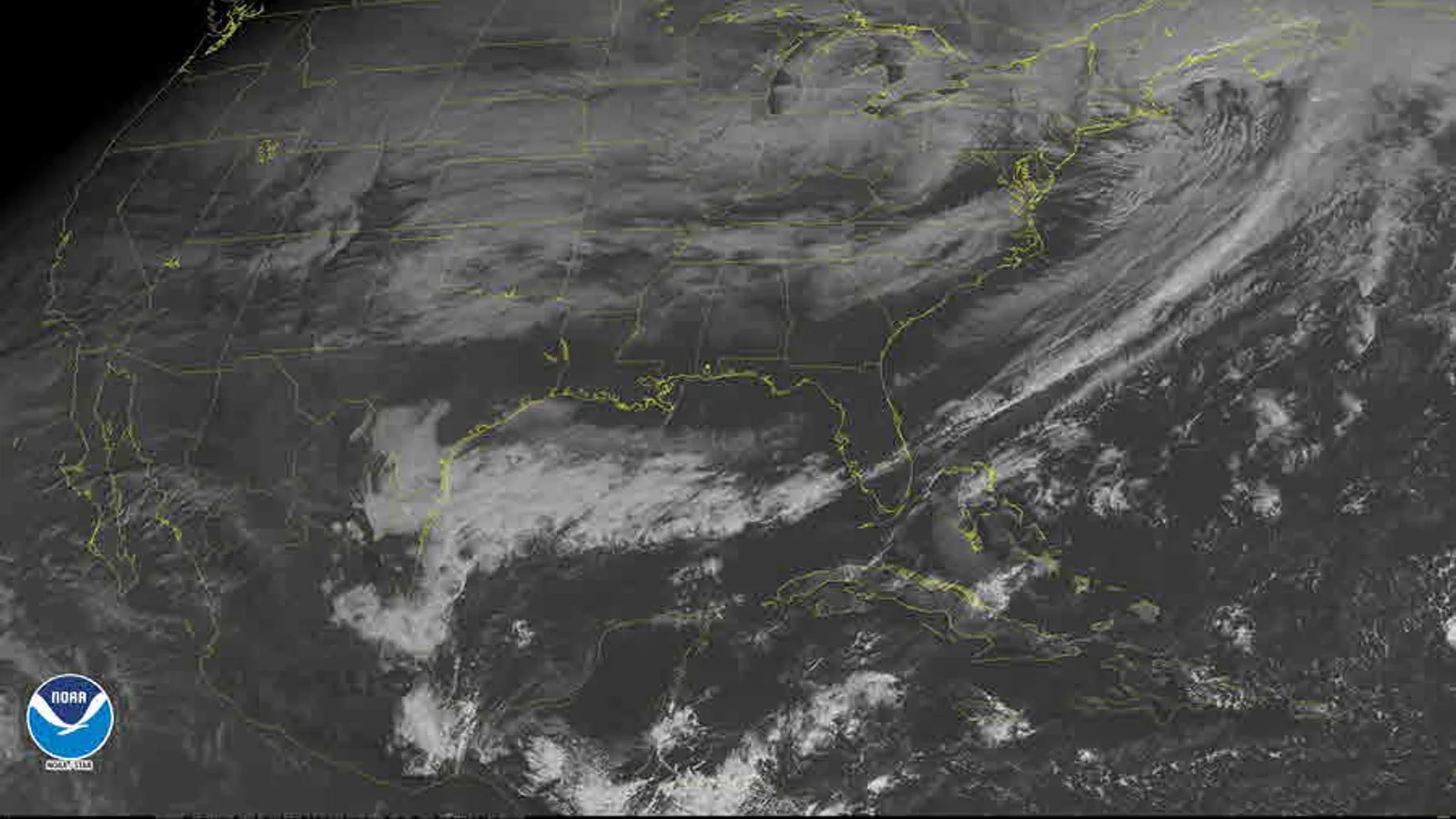
How Temperature Changes Across a City
Temperature can differ across a city, but a useful comparison starts with comparable observations—not with a map of hot and cold neighbourhoods. Choose two documented sites, match the time, instrument, height,
Photo: NOAA / National Weather Service · Public domain (U.S. government work)Read the guide →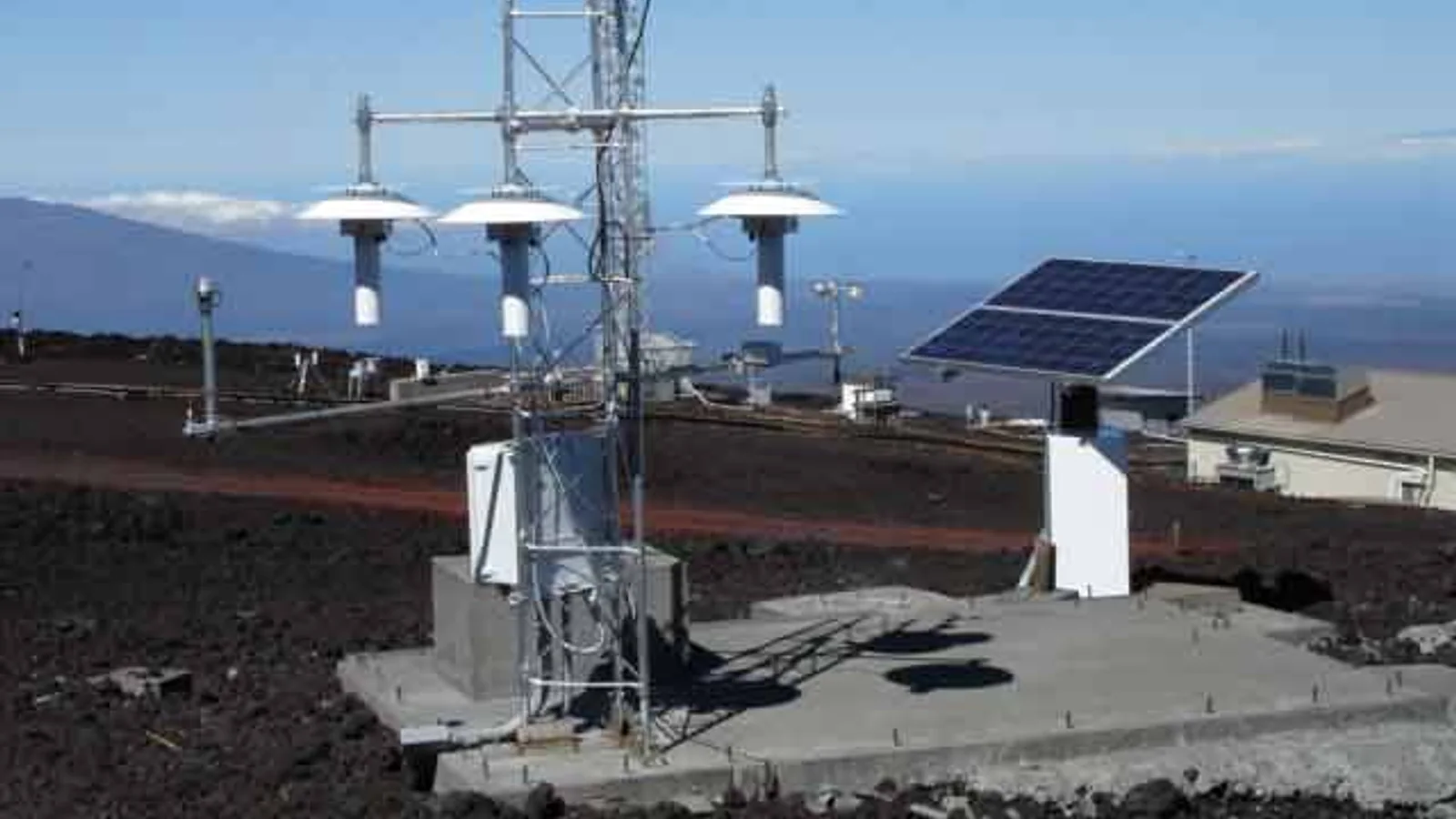
Weather Observation vs Weather Prediction
The simplest distinction is this: an observation reports what is happening at a place and time; a prediction describes what is expected to happen in the future. A personal weather journal can document the first
Photo: NOAA · Public domain (U.S. government work)Read the guide →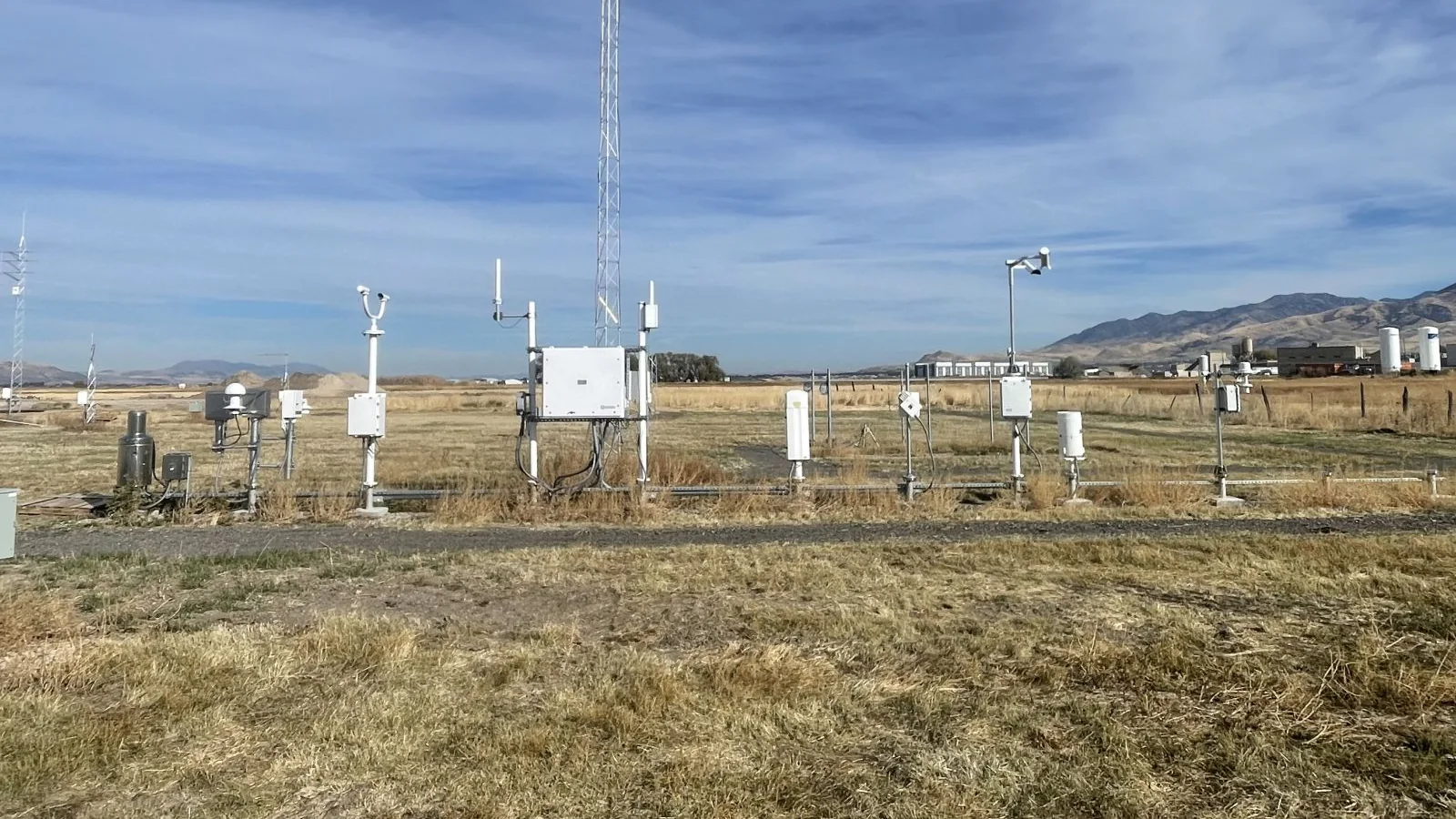
How to Check Whether a Home Weather Station Is Measuring Well
You cannot certify a home weather station with one glance at its display. You can, however, perform a useful plausibility check: document the sensor’s exposure, confirm units and time, inspect maintenance, comp
Photo: NOAA / National Weather Service · Public domain (U.S. government work)Read the guide →
What Makes a Useful Cloud Observation?
A useful cloud observation is more than a cloud name. It records when you looked, where you were, which part of the sky you could see, how much cloud was present, what form it appeared to have, how it changed,
Photo: Cbuske46 · CC BY-SA 4.0Read the guide →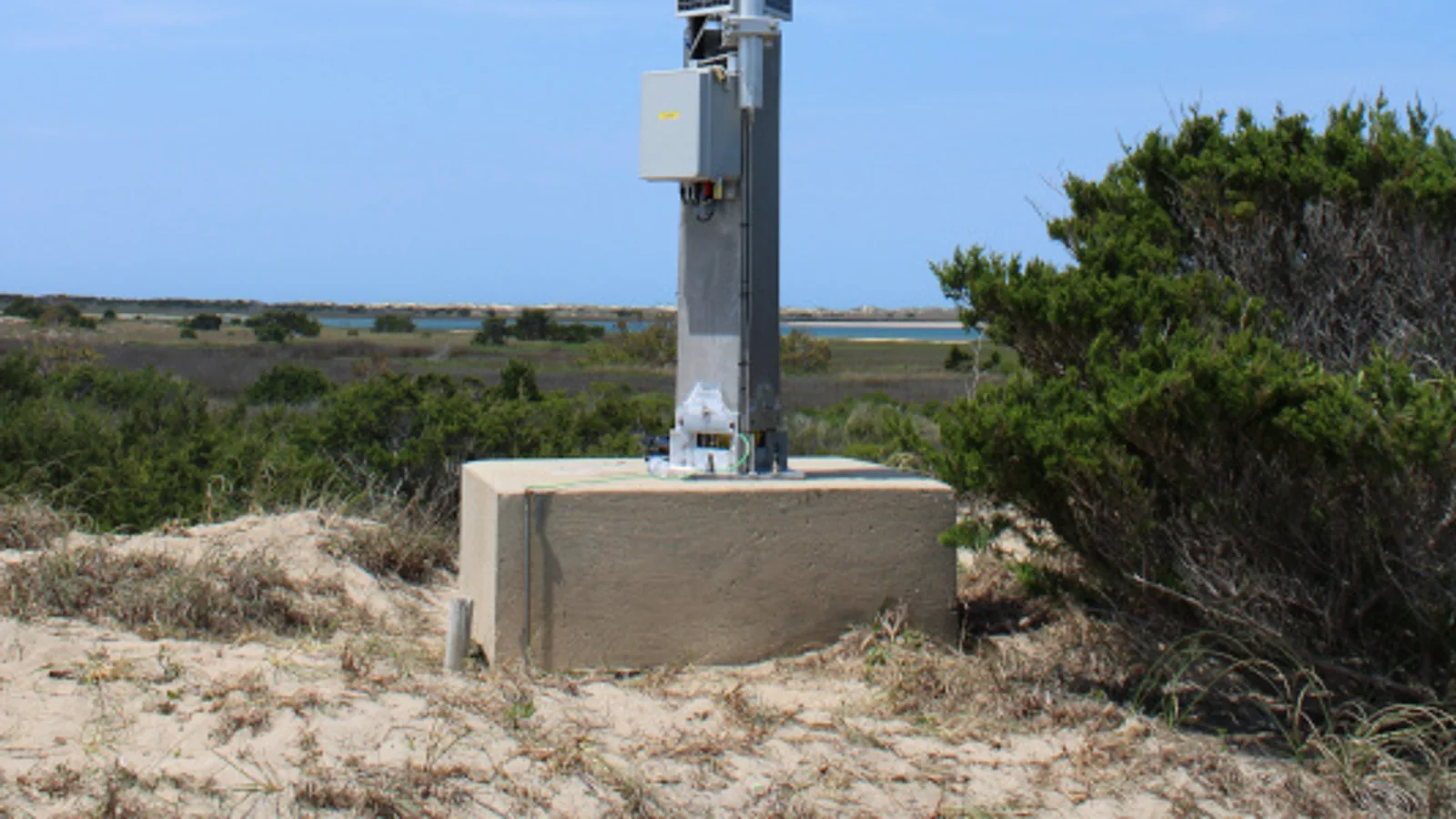
How Citizen Weather Reports Support Meteorology
Citizen weather reports are most useful when they are structured: observers use a shared method, record a defined time and place, receive training, and submit enough context for someone else to interpret the me
Photo: NOAA National Data Buoy Center · Public domain (U.S. government work)Read the guide →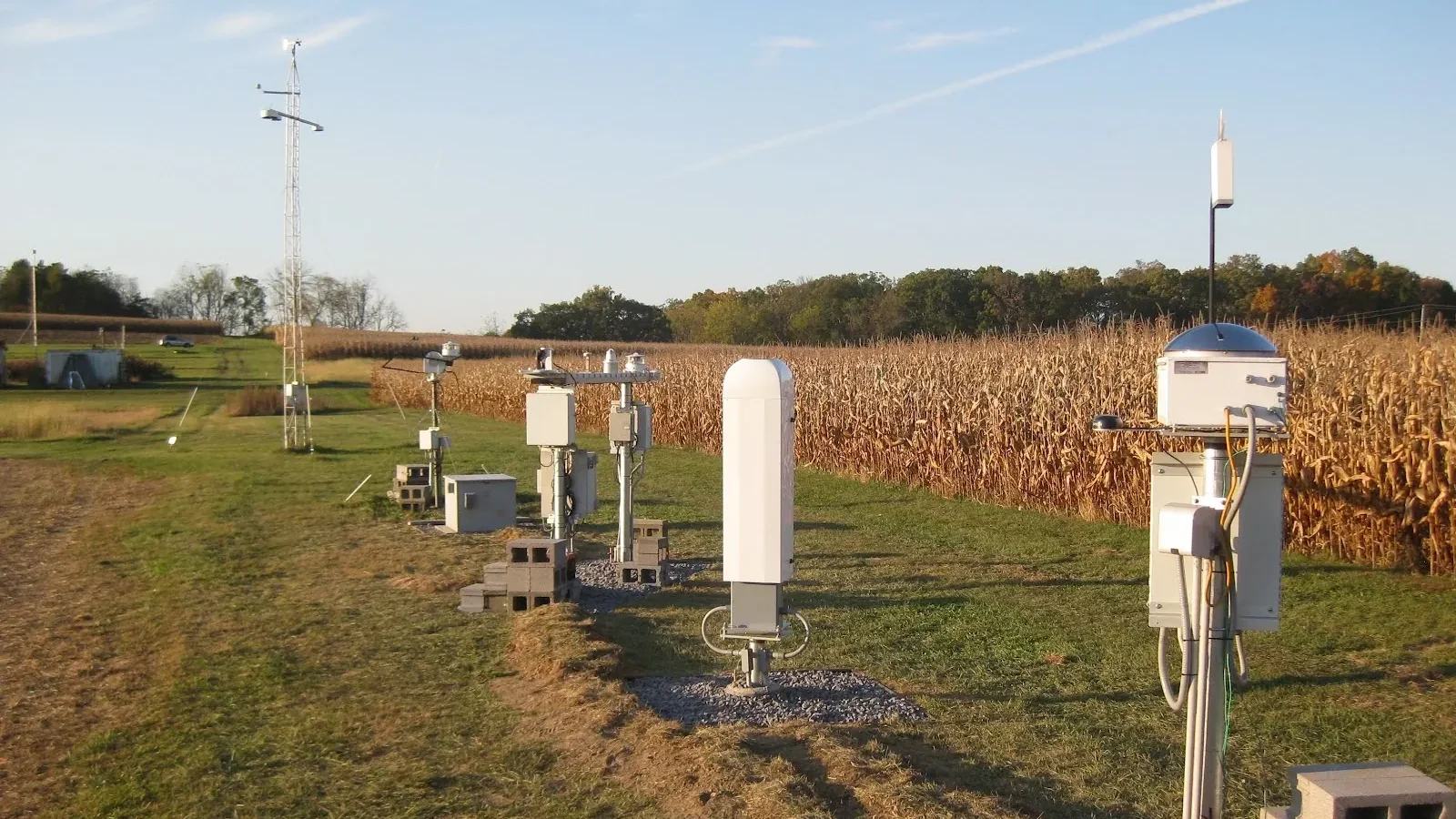
A Five-Minute First Weather Observation
You do not need a weather station to make an honest first observation. You need a time, a place, a fixed view, and enough restraint to separate what you saw from what you think it might mean. In five minutes, r
Photo: NOAA Global Monitoring Laboratory · Public domain (U.S. government work)Read the guide →
How to Estimate Cloud Cover Without False Precision
Cloud cover is an estimate of how much of the sky is hidden by cloud from your observing position. It is not a promise that the same fraction is hidden above the whole town, and it is not a forecast. A useful n
Photo: Cbuske46 · CC BY-SA 4.0Read the guide →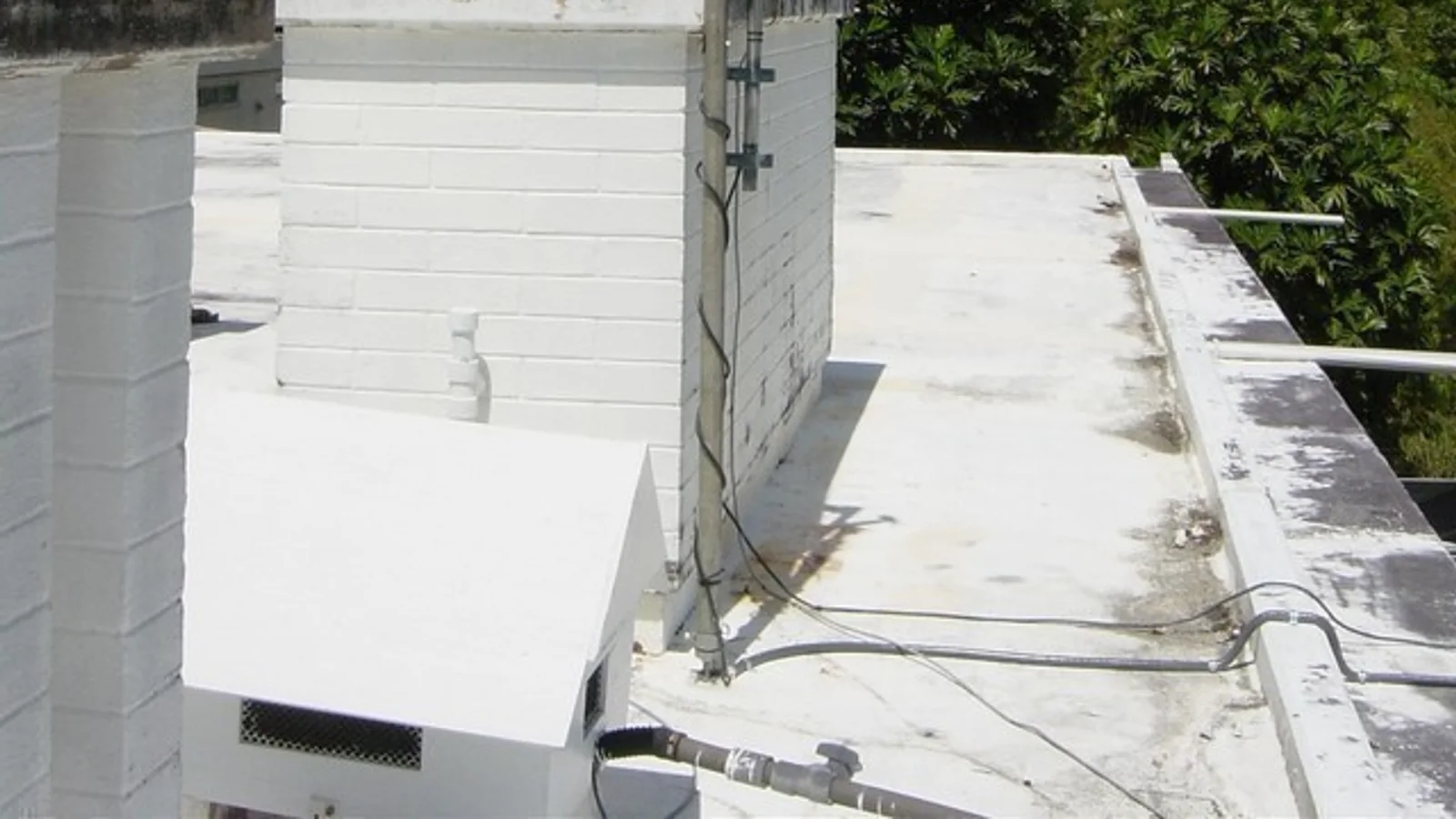
Why Wind Can Feel Different Across One Yard
Two people can stand a few metres apart and honestly describe different wind conditions. One may be beside a wall, hedge, or narrow passage; the other may be in an open patch. The difference is not automaticall
Photo: NOAA Tides & Currents · Public domain (U.S. government work)Read the guide →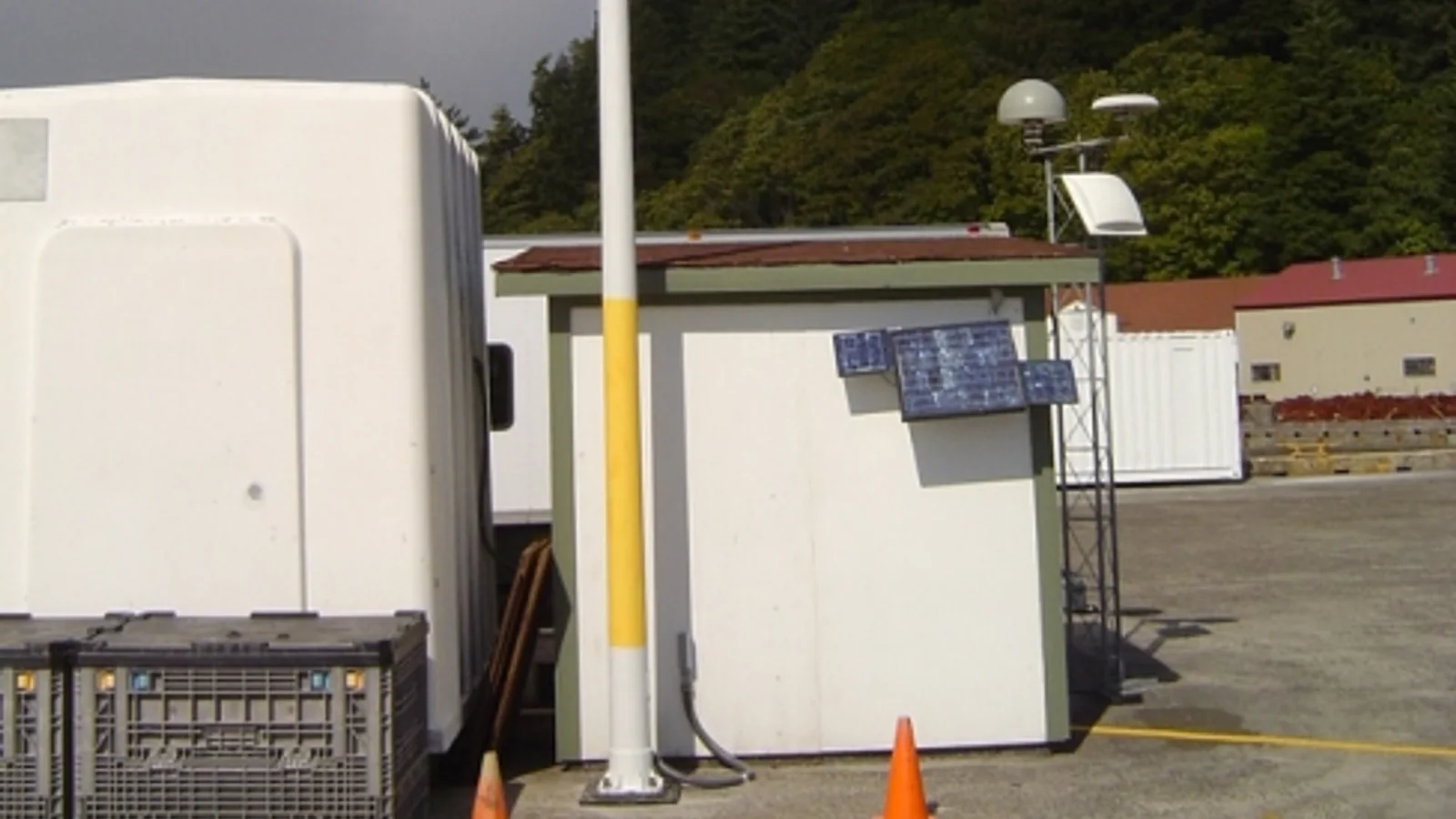
Describing Wind at Home: Observation Notes vs Wind-Speed Readings
“The trees were moving” and “the wind was 30 km/h” are not two versions of the same sentence. The first is a qualitative observation. The second is a numerical reading that needs an instrument, a time window, a
Photo: NOAA National Data Buoy Center · Public domain (U.S. government work)Read the guide →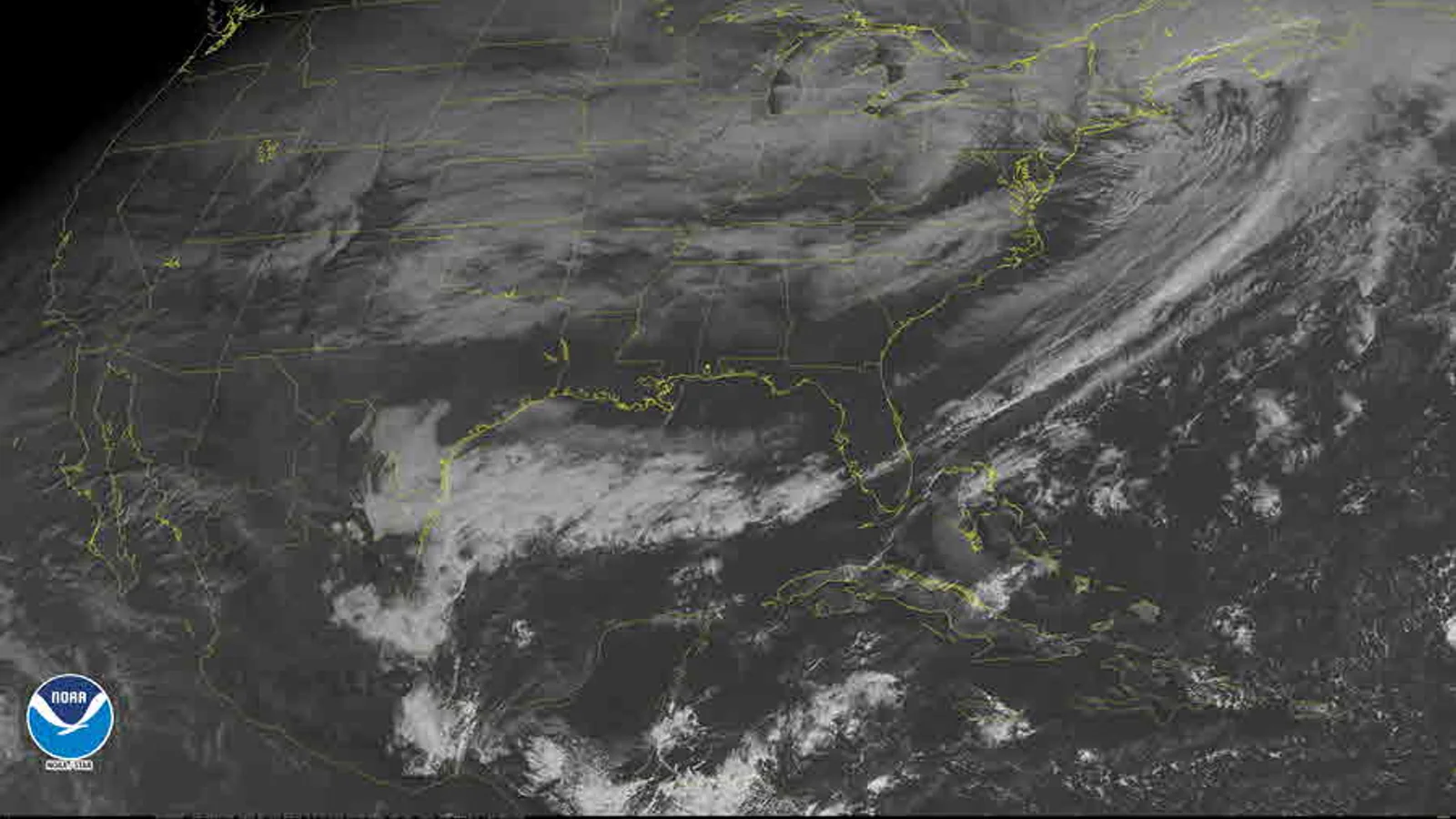
How to Read a Basic Weather Satellite Image
A weather satellite image becomes easier to read when you identify the product before interpreting the pattern. Start with four checks: which channel is shown, when the image was made, what area it covers, and
Photo: NOAA / National Weather Service · Public domain (U.S. government work)Read the guide →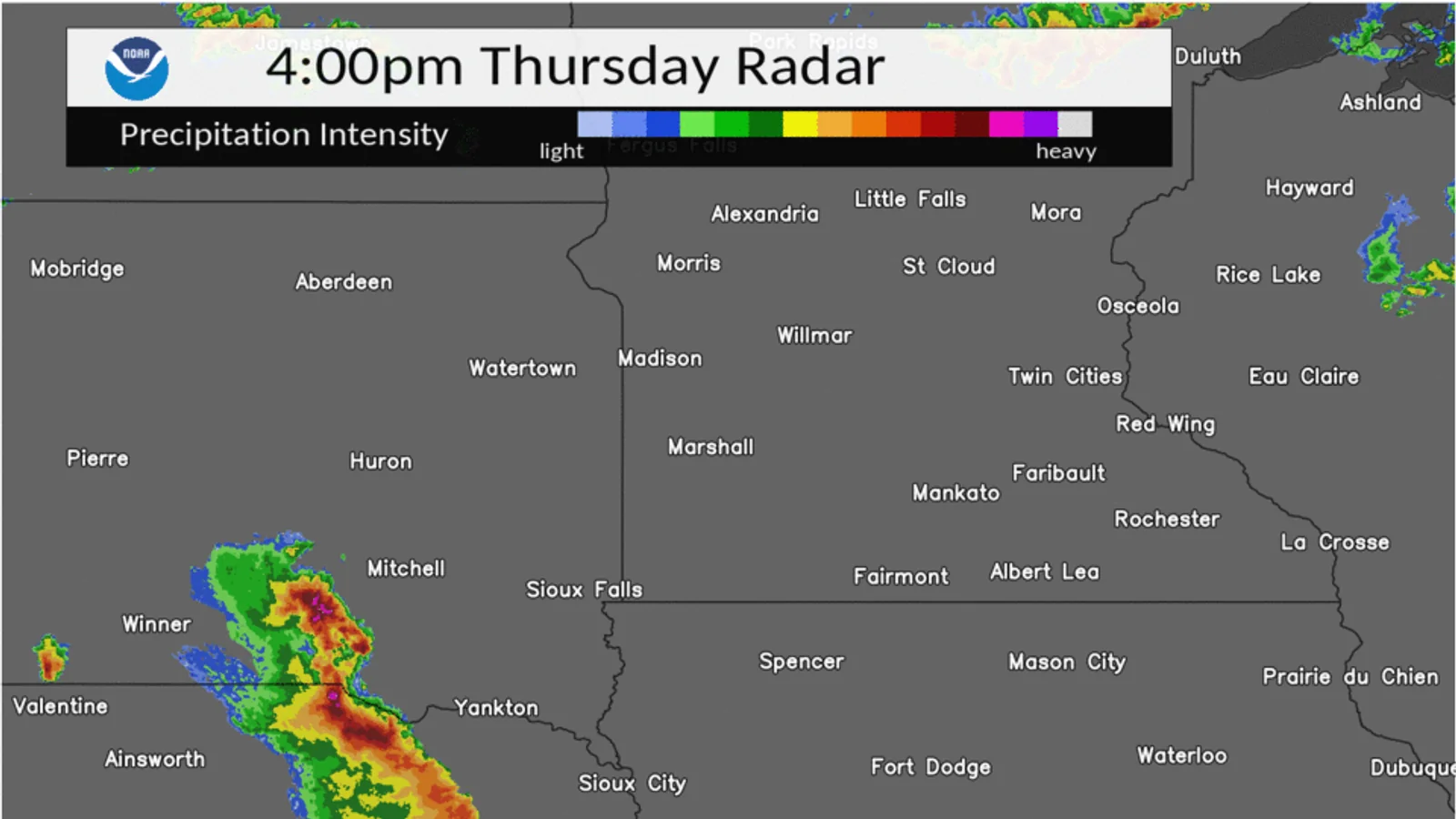
Before You Interpret a Weather Map: Check the Time, Source, and Product
Before you read a colour, line, or symbol on a weather map, write down three things: **the time**, **the source**, and **the product**. Those checks tell you whether the image is an observation, an analysis, a
Photo: NOAA / National Weather Service · Public domain (U.S. government work)Read the guide →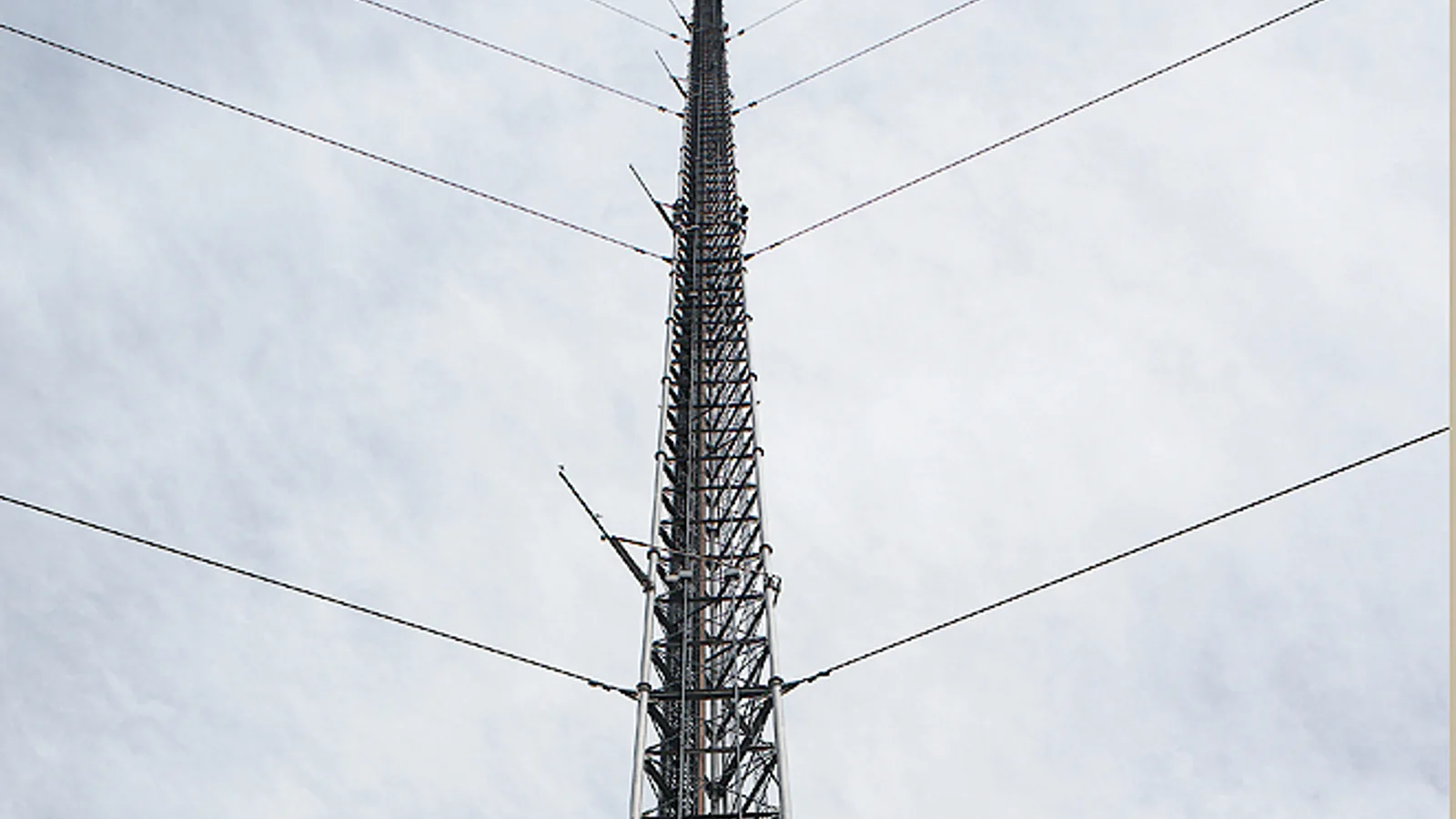
How to Record Your Weather Sensor Location and Exposure
A sensor number is easier to interpret later when it travels with a description of where and how it was exposed. Record the sensor identity, approximate height, surface, nearby obstacles, orientation, and chang
Photo: Shelby Frisch / NOAA Physical Sciences Laboratory · Public domain (U.S. government work)Read the guide →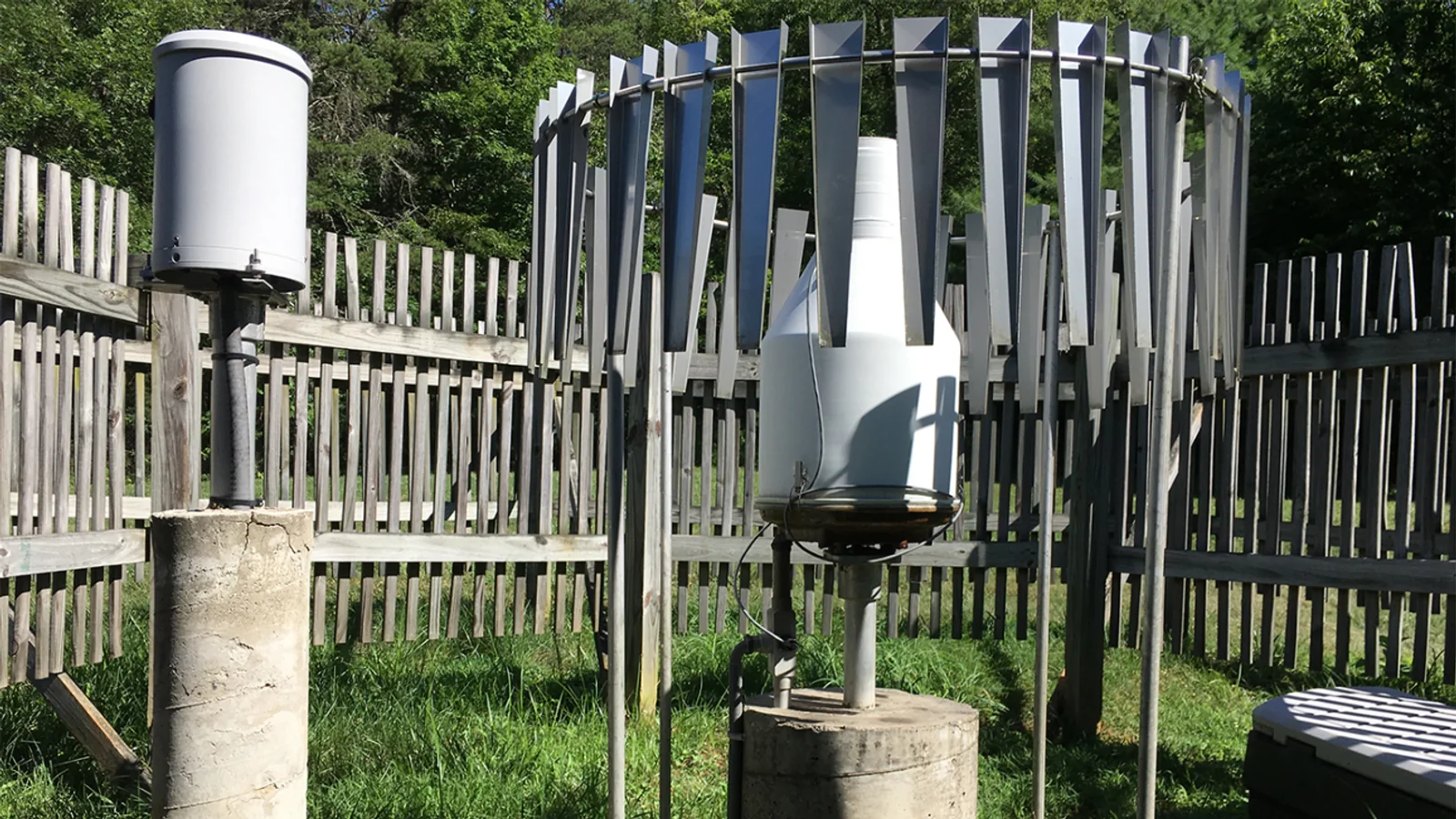
A Simple Weather Observation Kit Without a Buying Guide
You do not need a shopping list to begin observing weather. A useful starter kit can be made from things you already have, as long as each item has a clear role and an equally clear limit. The aim is not to imi
Photo: NOAA / National Centers for Environmental Information · Public domain (U.S. government work)Read the guide →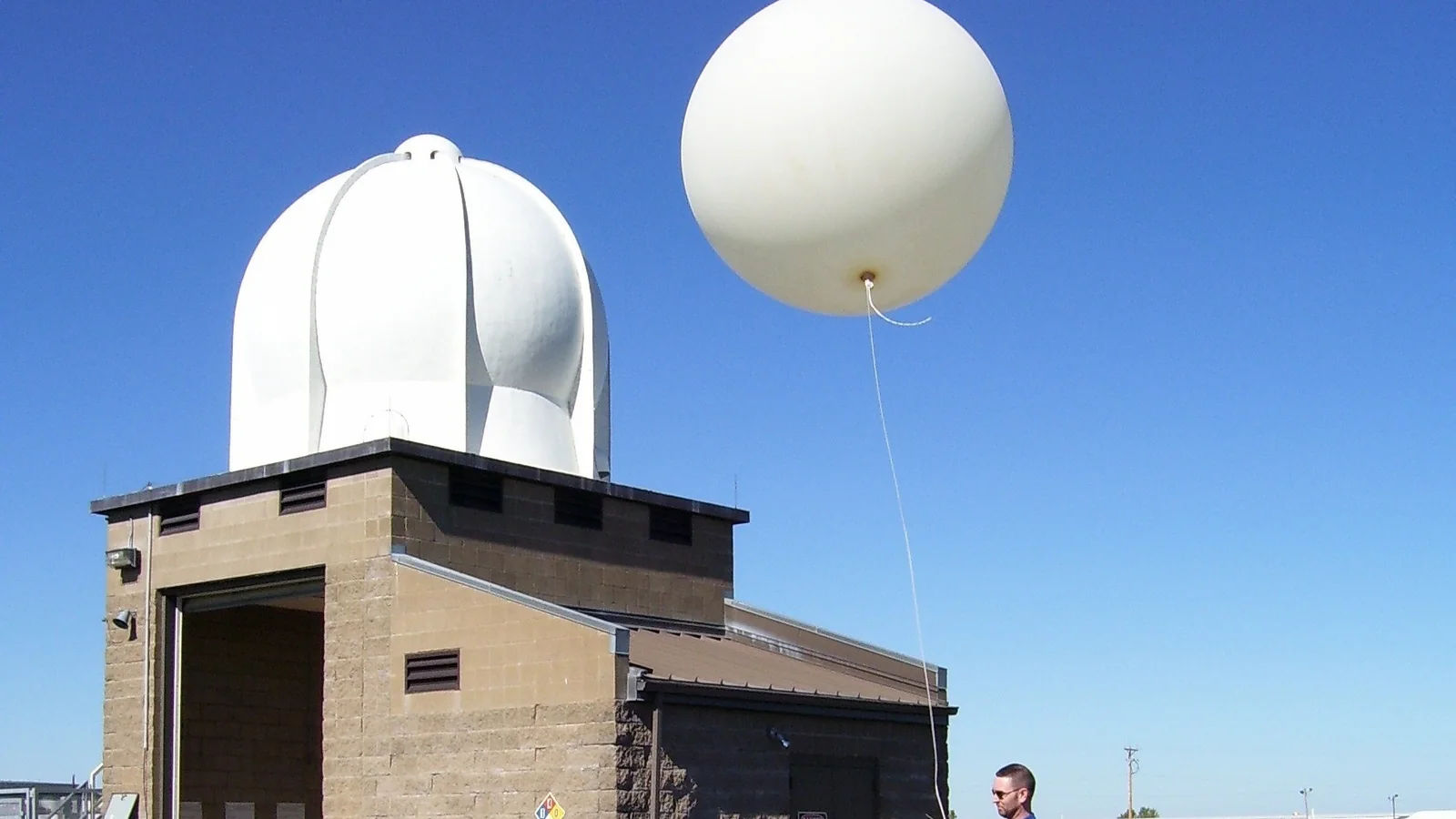
A Private Weather Journal or a Citizen-Science Report? Choose the Right Record
Choose the record by its purpose. Keep a **private journal** when you want to remember and compare conditions around you. Prepare a **citizen-science report** when you are willing to follow a named programme’s
Photo: NOAA · Public domain (U.S. government work)Read the guide →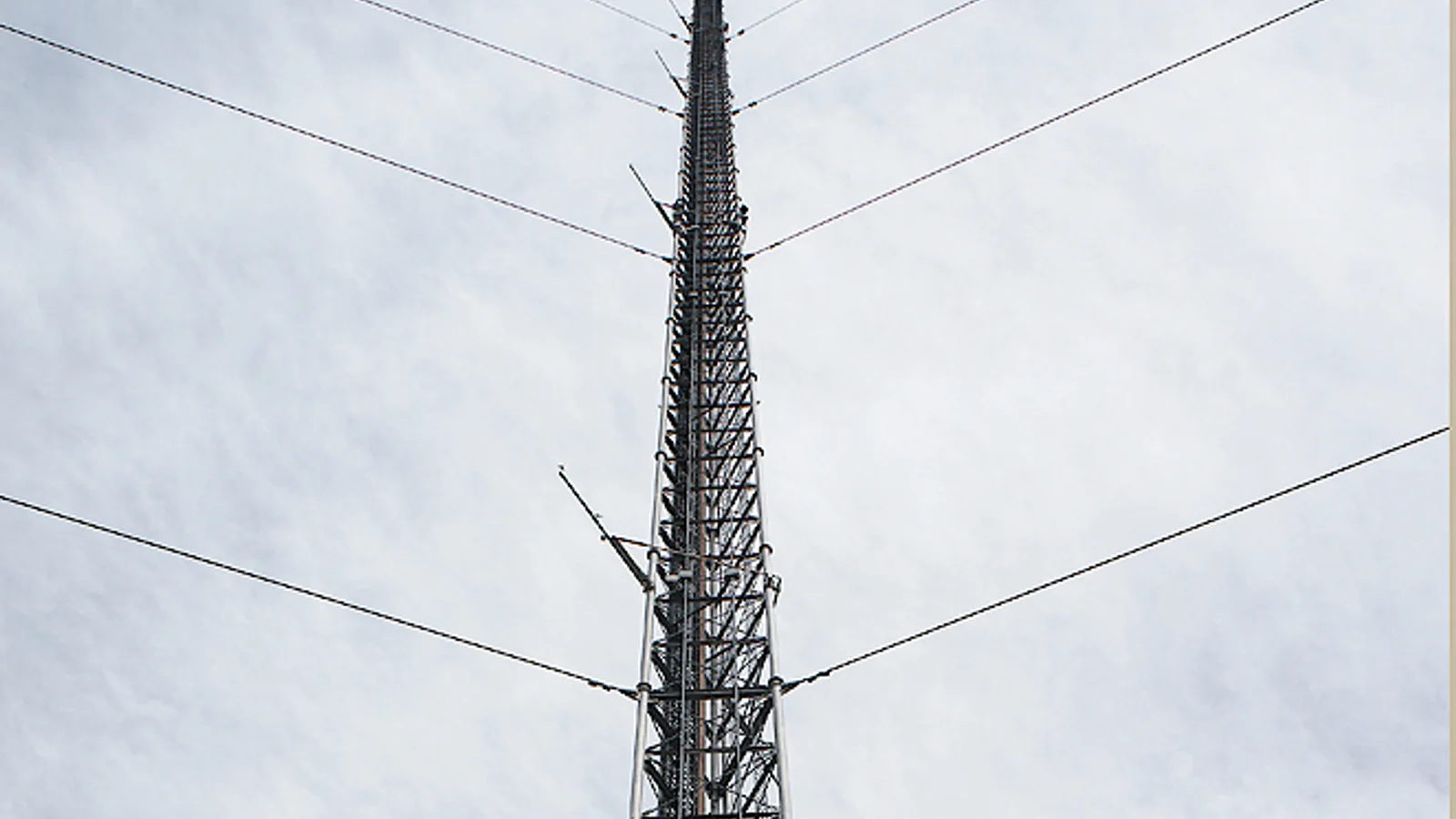
How to Prepare a Consistent Weather Observation for a Citizen-Science Project
Prepare the parts that are useful everywhere—time, place, method, value, and uncertainty—then leave the project-specific parts blank until you check the named programme’s current instructions. That sequence giv
Photo: Shelby Frisch / NOAA Physical Sciences Laboratory · Public domain (U.S. government work)Read the guide →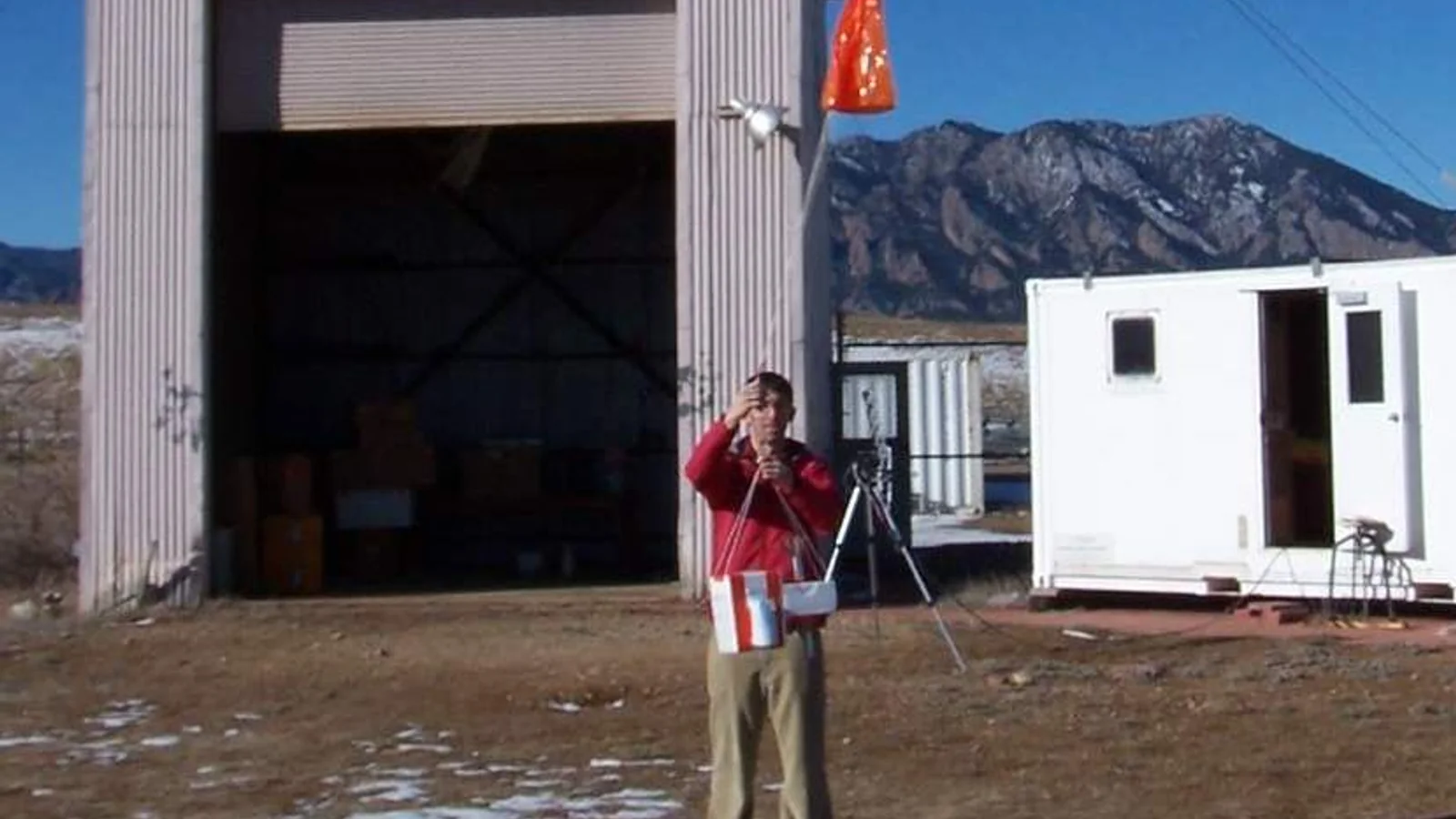
How to Write a Weather-Journal Entry That Still Makes Sense Later
Write for the reader you will be tomorrow. “Hot and windy” may capture today’s feeling, but it does not say when you looked, where you stood, what you used, or what “windy” meant. A durable journal entry puts t
Photo: NOAA Global Monitoring Laboratory · Public domain (U.S. government work)Read the guide →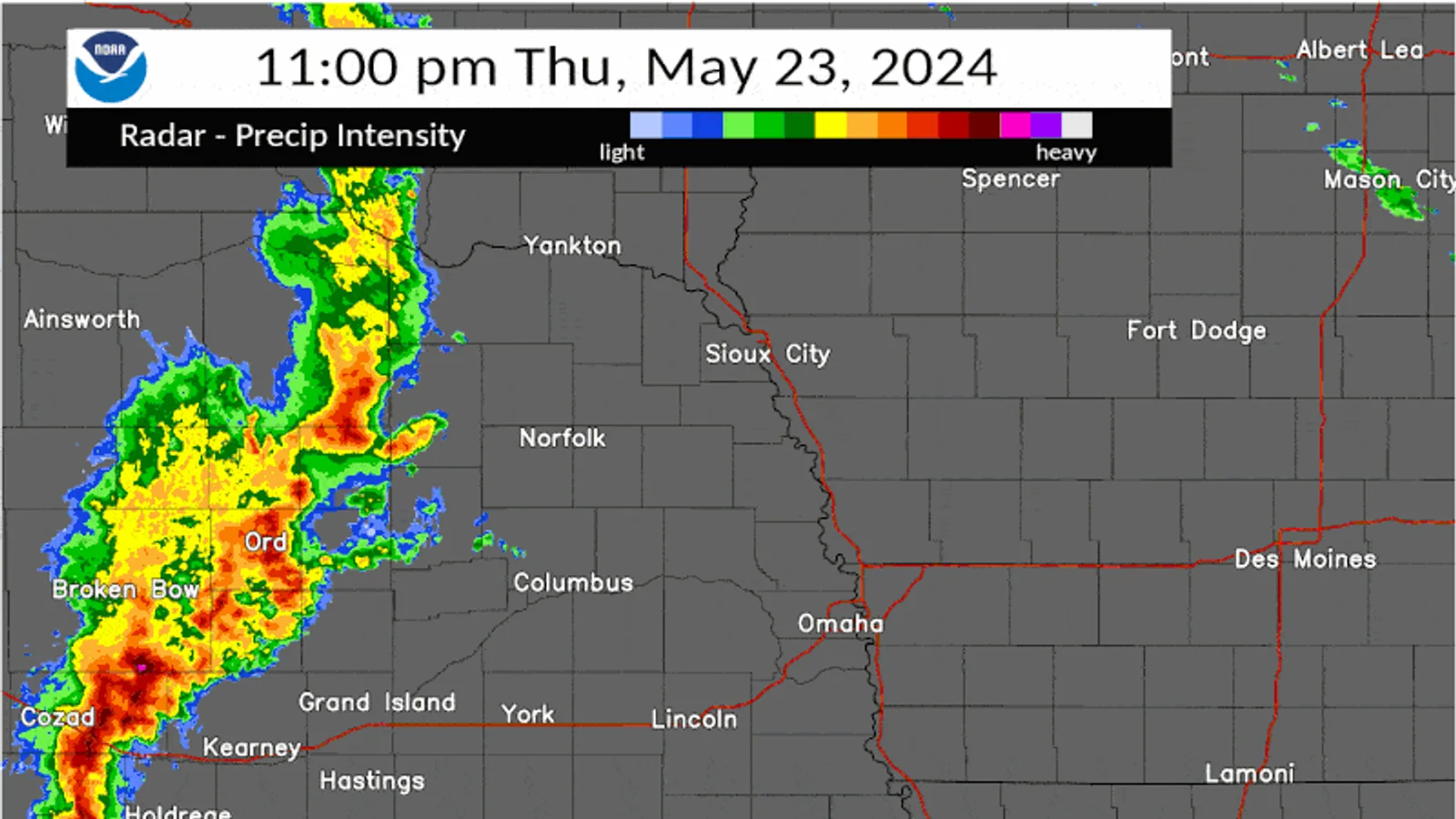
How to Review a Month of Weather Notes Without Overclaiming
A month of personal notes can show what your record contains: how often rain was observed, which wind cues appeared, or how a sensor behaved at one site. It cannot, by itself, define the climate of a town, prov
Photo: NOAA / National Weather Service · Public domain (U.S. government work)Read the guide →